
ToolsPivot
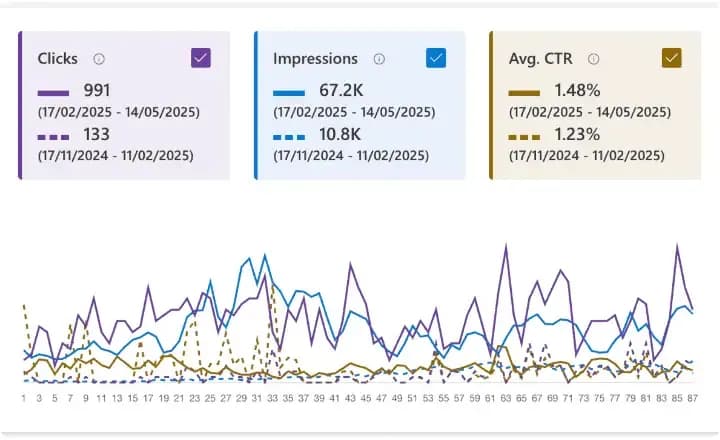
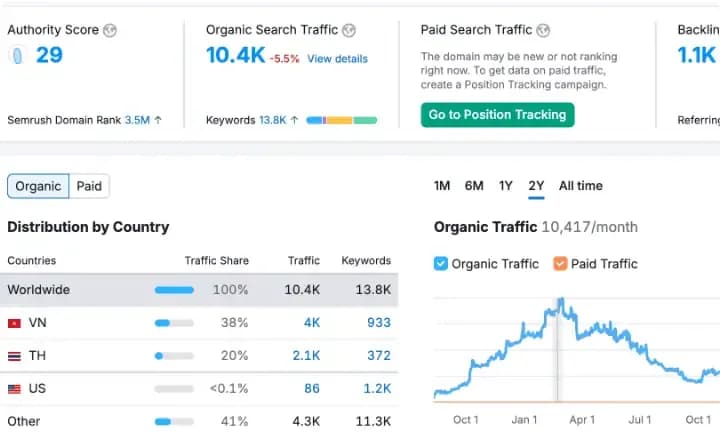
- +745%
- Search Click
- +255%
- Organic Traffic
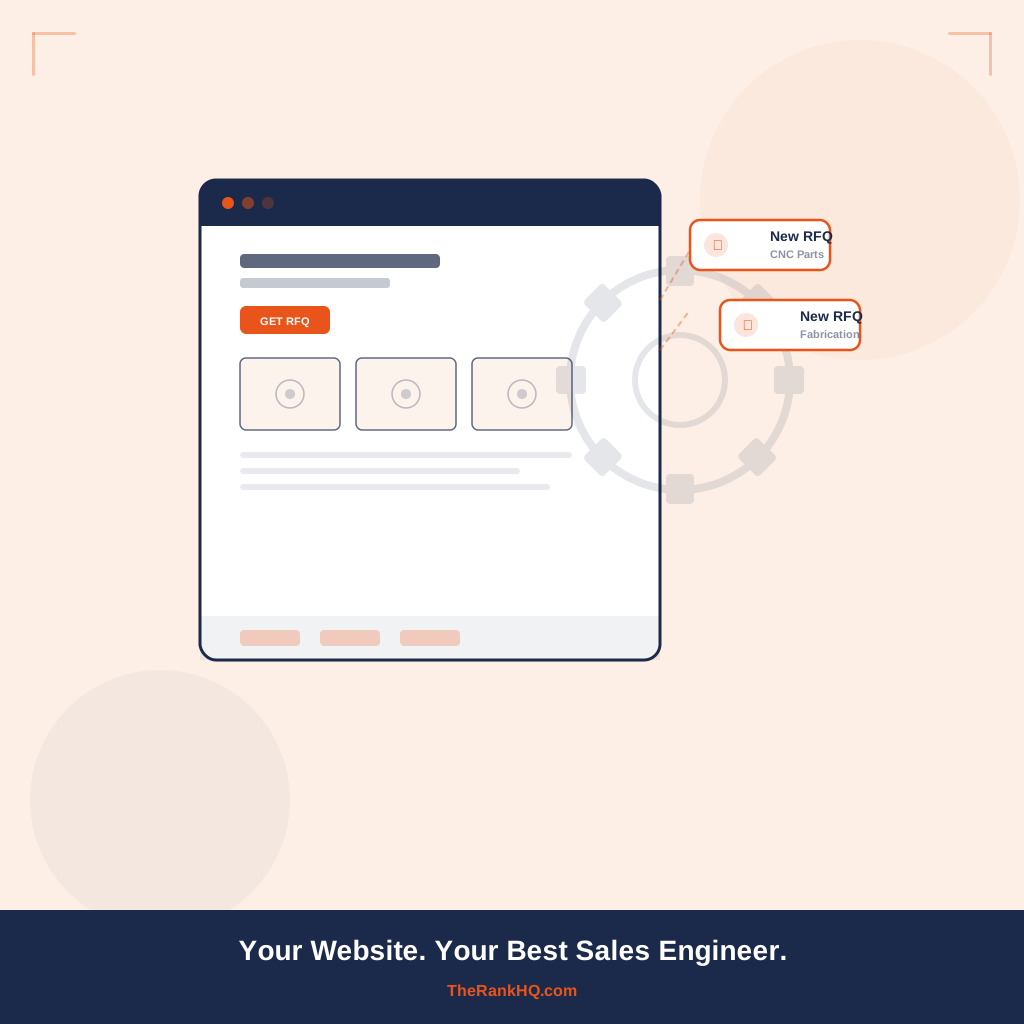
We build manufacturing websites that work like your best sales engineer: answering technical questions, qualifying leads, and moving procurement teams from research to RFQ. Product catalogs, spec sheet libraries, quote request systems, and SEO that ranks on Google and AI search platforms. Built for revenue, not just appearances.




We're trusted by:








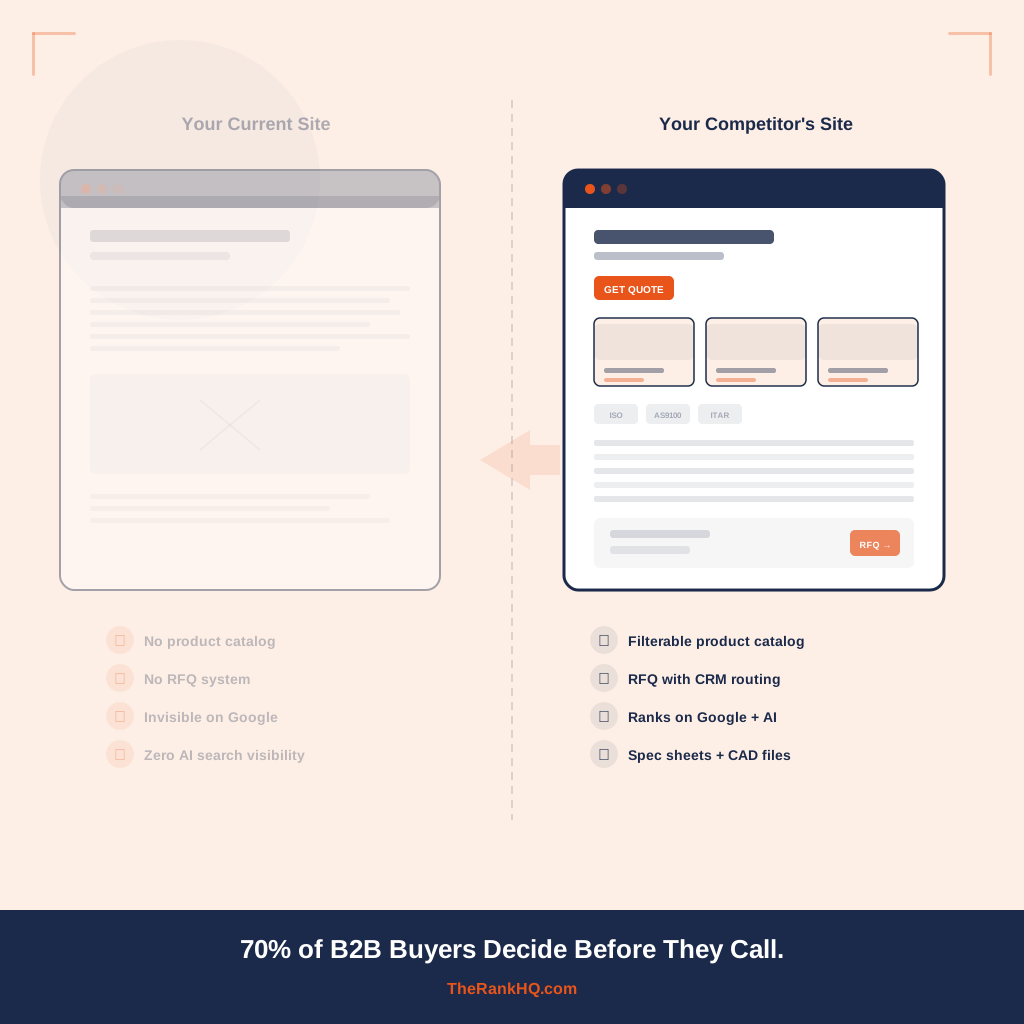
Procurement managers at mid-size and enterprise companies don't cold call suppliers anymore. They Google. They ask ChatGPT. They search ThomasNet. When your website loads slowly, looks like it was built on a free template, and buries your capabilities three clicks deep, they move on. You never get the RFQ. You never even know they were looking. 70% of the B2B buying decision is made before a prospect ever contacts your sales team.
Your competitors who invested in a proper manufacturing website are capturing those early-stage researchers right now. Their sites answer the exact questions engineers and purchasing managers type into Google. Their product pages have structured data that AI search engines can read and cite. Their RFQ forms pre-qualify leads so the sales team spends time on real opportunities. Your site? Capabilities listed in a wall of text, certifications hidden in a PDF nobody downloads, and a product catalog treated like an afterthought.
The gap between a website that generates 2 RFQs a month and one that generates 20 isn't design talent. It's understanding how B2B manufacturing buyers actually research, evaluate, and shortlist suppliers online. That's what we build for.
Every manufacturer has different products, markets, and sales cycles. A CNC machine shop selling to aerospace OEMs needs a completely different web experience than a packaging manufacturer selling to food and beverage companies. That's why we don't use templates or one-size-fits-all approaches. Here's what goes into a manufacturing website that actually performs.
70% of engineers say detailed product specs are the most important factor when evaluating a new supplier online. We design product catalog systems with filterable categories, downloadable spec sheets, CAD file access, and structured data that both Google and AI search platforms can parse and cite in results.
If your website's only conversion path is a generic "Contact Us" form, you're losing qualified leads every day. We build multi-step RFQ forms, quote calculators, and lead capture flows that pre-qualify prospects by project type, volume, material, and timeline, then route submissions directly to your sales team or CRM.
We design manufacturing websites that communicate precision, reliability, and expertise within the first 3 seconds. Custom photography direction, clean layouts, capability-focused messaging, and intuitive navigation built specifically for how engineers, procurement managers, and C-suite buyers browse and evaluate suppliers.
A single login-protected portal can save your channel team hundreds of hours per year. We build distributor portals with document libraries, pricing tiers, co-branded marketing assets, order tracking, and territory management tools that keep your dealer network engaged and self-sufficient.
We build every page with search engine optimization baked into the architecture, not bolted on after launch. Keyword-mapped capability pages, technical blog content, schema markup for products and services, and internal linking structures that help Google understand your full range of manufacturing capabilities.
When was the last time you checked your website on a phone? 60% of B2B researchers use mobile during the early discovery phase. We build mobile-first, Core Web Vitals-compliant sites that load in under 2.5 seconds on any device, because a slow site tells procurement teams you're behind the curve before they even read your capabilities.
Manufacturing isn't one industry. It's dozens of specialized verticals, each with unique buyer expectations, compliance requirements, and product complexity. We've built websites across the manufacturing spectrum and understand what each sub-sector needs to convert online visitors into qualified opportunities.
Product tolerance specs, material capability pages, and machine list displays for engineering buyers
Portfolio-driven designs with project galleries, process capability pages, and capacity calculators
Material selection tools, mold design showcases, and rapid prototyping request flows
FDA compliance displays, HACCP certification pages, and co-packing capability presentations
Interactive BOM tools, assembly capability matrices, and engineering resource libraries
ITAR compliance documentation, AS9100 certification displays, and secure document portals
IATF 16949 quality system displays, OEM partnership portfolios, and capacity planning tools
SDS (Safety Data Sheet) management systems, regulatory compliance pages, and batch tracking interfaces
Most web design agencies will sell you a template with your logo slapped on it and call it "custom." For a restaurant or a local service business, that might work. For a manufacturer with 200+ SKUs, distributor relationships, and ISO certifications to display, it doesn't. Here's how the two approaches compare for manufacturing companies.
A template website costs less upfront. But for manufacturers, the cost of a website that doesn't generate leads is measured in lost contracts, not in monthly hosting fees. The right question isn't "how much does a website cost?" It's "how much revenue is your current website failing to capture?"
| Feature | Custom Manufacturing Website | Template / DIY Website |
|---|---|---|
| Product catalog with filtering and specs | Built to your exact catalog structure, unlimited depth | Limited to pre-built layouts, manual updates |
| RFQ and quote request forms | Multi-step forms with conditional logic, CRM integration | Basic contact form, no lead routing |
| ERP/CRM integration | Direct connection to SAP, Oracle, NetSuite, HubSpot, Salesforce | Zapier workarounds or none |
| SEO architecture | Keyword-mapped pages, schema markup, AI search optimization | Basic meta tags, no semantic structure |
| Mobile and speed performance | Core Web Vitals optimized, sub-2.5s load time | Template bloat, 4-7 second load times typical |
| Compliance and certification display | Dedicated sections with structured data for ISO, AS9100, ITAR | Static text or PDF links |
| Distributor/dealer portal | Custom-built with login, document access, territory tools | Not available on most templates |
| Ongoing scalability | Add products, locations, capabilities without redesign | Major limitations as you grow |
Every manufacturing website design project we take on follows the same principle: understand the business first, design second. Too many agencies jump straight into wireframes without understanding your sales cycle, your buyer personas, or how procurement teams actually evaluate suppliers in your sector. Here's our full methodology, step by step.
Discovery and Business Analysis
Before we sketch a single wireframe, we spend time understanding your manufacturing operation. What do you make? Who buys it? How do they find you today? What does their evaluation process look like from first search to signed PO? We interview your sales team, review your current lead sources, and audit your competitors' websites to identify exactly where the gaps and opportunities are.
Wireframes & Content Architecture
Manufacturing websites fail when they're organized around your org chart instead of your buyer's journey. We map your site architecture to how procurement teams, engineers, and executives actually search for and evaluate suppliers. Product categories, capability pages, industry pages, certification displays, and resource libraries all get placed where they'll be found and used.
Brand Design and UX
Your website has 3 seconds to communicate quality, precision, and reliability. We design manufacturing websites that look as well-engineered as the products you build. Clean layouts, professional photography direction, strong typography, and strategic use of whitespace that lets your capabilities speak without clutter. Every design decision ties back to conversion: does this element help or distract from the buyer's evaluation?
Development & Integration
This is where your website becomes a working business tool. We build on WordPress, HubSpot CMS, or custom headless architectures depending on your scale and integration requirements. Product catalogs, distributor portals, RFQ systems, and document libraries all get built with clean, scalable code. If your business runs on SAP, Oracle, NetSuite, or Salesforce, we connect your website directly so leads flow into your existing systems without manual data entry.
SEO, and AI Search Optimization
A beautiful website with no traffic is an expensive brochure. We write and optimize every page for search visibility from day one. Capability pages get keyword-mapped. Products get schema markup. Technical blog content gets planned. And we structure everything so AI search engines like ChatGPT, Gemini, and Perplexity can read, understand, and cite your manufacturing expertise in their answers. This is something zero competitors in the manufacturing web design space are doing yet.
QA Testing & Launch
Before your site goes live, we test everything. Every page across 8 browsers and 12 device sizes. Every form submission path. Every product filter. Every download link. Every integration touchpoint. We run Core Web Vitals optimization to hit sub-2.5-second load times and verify that search engines can properly crawl and index every page. Then we launch, set up monitoring, and train your team to manage day-to-day content updates without touching code.
We measure success the same way you do: in leads, revenue, and growth. Here's what happened when B2B companies invested in websites built for performance, not just aesthetics.
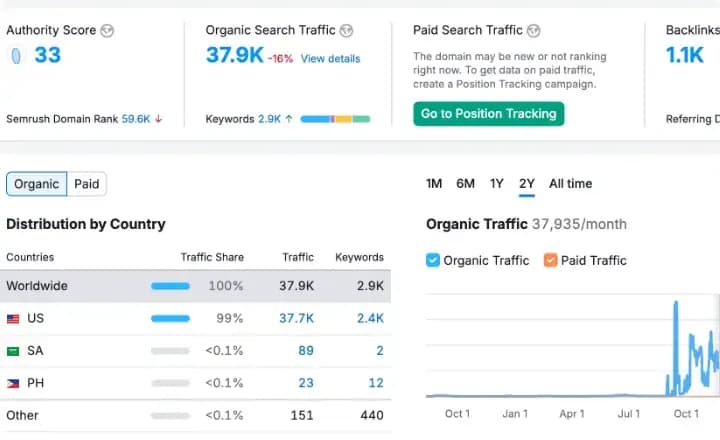
Your products are world-class. Your website should prove it. Get a free manufacturing website audit and we'll show you exactly where you're losing qualified leads, plus a roadmap to fix it.
US manufacturing is a $2.95 trillion sector with 12.7 million workers. After 26 consecutive months of PMI contraction, the sector crossed back into expansion territory in January 2026. Companies are investing. Reshoring is accelerating. And the manufacturers capturing new business are the ones buyers can actually find online.
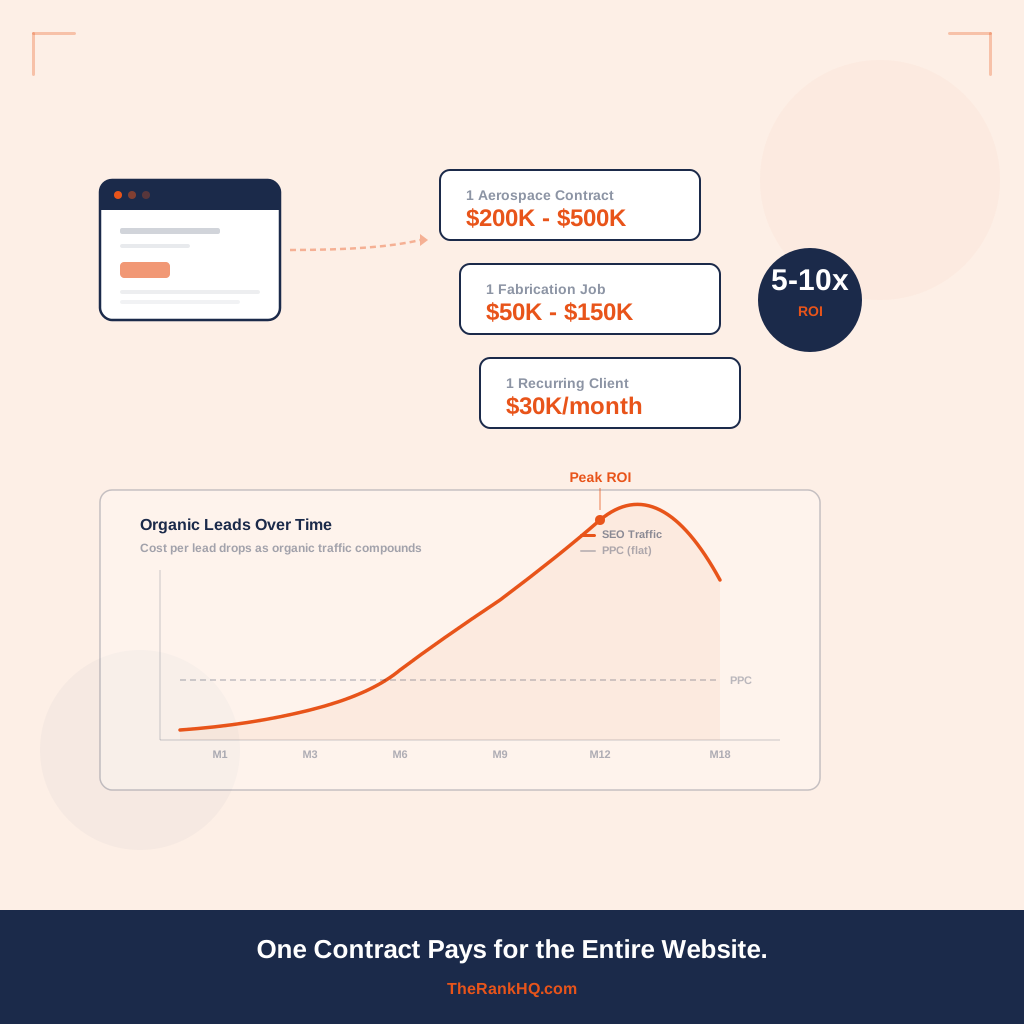
Think about what a single new contract is worth to your business. If you're a precision manufacturer, one aerospace contract could be $200K-$500K annually. A custom fabrication shop might land $50K-$150K jobs. A packaging manufacturer could win a recurring $30K/month co-packing deal. Your website only needs to generate one or two additional qualified opportunities per quarter to deliver 5-10x ROI on the entire redesign investment.
The manufacturers who treat their website as a cost center keep pouring money into trade shows and cold outreach. The ones who treat it as a sales channel are building compounding organic visibility that gets cheaper per lead every single month. And here's the part your competitors haven't figured out yet: AI search engines like ChatGPT and Gemini are increasingly answering procurement research questions. If your website is optimized for AI search, you show up in those answers. If it's not, you don't exist in the fastest-growing discovery channel in B2B.
Your website platform matters. It affects speed, security, scalability, and how easily your team can update products and content without calling a developer. We've built manufacturing sites on every major CMS and can recommend the right one based on your catalog size, integration needs, and budget. Need help choosing? Our custom web design team can walk you through the options.
 WordPress
 Shopify
 Magento
 Drupal
 Joomla
 Squarespace
 HubSpot
 JavaScript
 Python
 Java
Java HTML5
HTML5 CSS3
CSS3 React
React
 Vue.js
 Angular
 Node.js
When procurement teams ask ChatGPT "who are the best CNC machining companies for aerospace parts?" or Gemini "top injection molding manufacturers with ISO 13485," your company needs to be in the answer. We structure your website so AI engines can read, understand, and cite your manufacturing capabilities in their recommendations.






There are hundreds of web design agencies. Most of them have never built an RFQ form, configured a product catalog with 500+ SKUs, or dealt with ITAR compliance documentation. Here's what makes us different for manufacturers.
We don't design for aesthetics. We design for the way engineers, procurement managers, and plant managers actually evaluate suppliers online. That means capability pages organized by process, not marketing jargon. Spec sheets that load fast. RFQ forms that pre-qualify leads before they hit your inbox.
Every manufacturing website we build launches with keyword-mapped pages, schema markup, Core Web Vitals optimization, and AI search readiness. Your competitors are paying for SEO as an afterthought. We bake it into the architecture from day one, and our manufacturing SEO services can scale it further after launch.
We write custom code. No Elementor. No Divi. No drag-and-drop page builders that add 300KB of unnecessary CSS and JavaScript to every page load. Your manufacturing website gets clean, fast, scalable code that loads quickly and doesn't break when you need to add 200 new products next quarter.
Your website shouldn't create more data entry work. We connect directly to SAP, Oracle, NetSuite, Salesforce, and HubSpot so leads flow automatically, product data stays synchronized, and your sales team works from one system, not two.
You pay for the project. You own the website. Ongoing maintenance and optimization are available month-to-month, but never mandatory. No 12-month retainer traps. No surprise invoices for minor text changes.
We don't hand you a website and disappear. Post-launch, you get monthly performance reports covering traffic, keyword rankings, lead volume, form submissions, and page speed metrics. Every number tied to a business outcome, not vanity metrics.
Before we start any manufacturing web design project, we usually have to clear out some misconceptions that have been holding the company back for years. Here are the most common ones and what's actually true.
A brochure website lists what you do. A performance website generates business. The difference is functionality: product search and filtering, detailed specification pages, RFQ forms with conditional fields, downloadable CAD files and data sheets, certification displays with structured data, and a content strategy that captures search traffic for the questions your ideal buyers are already asking. A brochure website is a cost. A well-designed website is a sales channel.
ThomasNet is a directory. It's rented visibility on someone else's platform. You don't control the design, the user experience, the lead capture process, or the SEO equity. When a buyer clicks from ThomasNet to your website and sees a site that looks like it was built in 2015, you've lost the credibility ThomasNet just earned you. Your own website builds compounding organic traffic that you own, forever.
Design matters. But for manufacturers, what matters more is information architecture: how easily can an engineer find the exact spec sheet they need? How quickly can a procurement manager submit an RFQ with the right project details? How clearly does your site communicate your certifications, quality systems, and production capabilities? A beautiful website that fails at these tasks is a beautiful failure.
You can. And in 6 months, your template will be bloated with 30 plugins, loading in 6 seconds, flagged with security vulnerabilities, and looking identical to 10,000 other sites using the same theme. Manufacturing websites need custom product taxonomies, ERP integrations, and conversion-optimized RFQ flows that templates simply can't handle. The upfront savings get eaten by ongoing problems and lost opportunities.
Results speak louder than promises. Here's feedback from clients who've worked with our team on web design and digital marketing projects.
 Karim T★★★★★Website Design
Hello nadeem really helped us for the sites. He helped us until the last modification, he is really listening to the customers I was really happy to work with him. I will work with him again soon
TheRankHQ delivered exactly what was needed, satisfying the client's needs. The team managed the project well, they completed the task on time without any issues or mistakes. What was most impressive about TheRankHQ was their professional culture and behavior.
 Thanh Trinh★★★★★Guest Post Outreach
service quality is very good. He helped me a lot in the backlink building process.
If you're evaluating web design agencies for your manufacturing company, these are the questions we hear most often from operations managers, marketing directors, and business owners in the manufacturing sector.
We build manufacturing websites that generate RFQs, display capabilities, and work as hard as your production floor. Project-based pricing. You own the website. No retainer traps, no template shortcuts.