
ToolsPivot
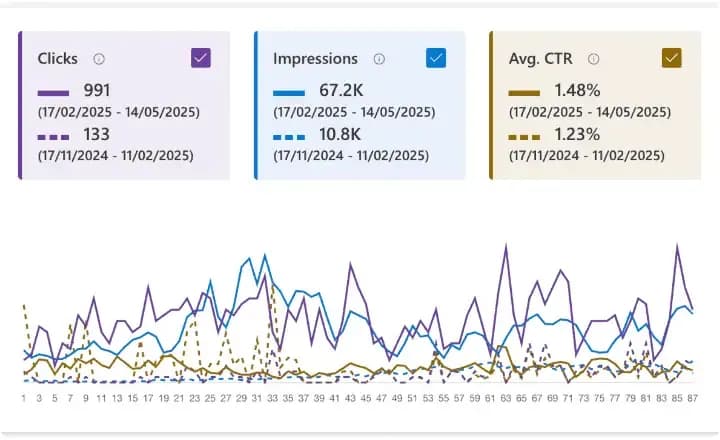
- +745%
- Search Click
- +255%
- Organic Traffic
We design law firm websites that build trust, rank on Google and AI search engines like ChatGPT and Gemini, and turn visitors into consultations. Practice area architecture, attorney bio pages, client intake systems, and bar-compliant design, all built to generate cases.




We're trusted by:









A potential client Googles "personal injury lawyer near me." Your firm shows up, they click, and your site takes 6 seconds to load on their phone. No clear practice areas. No attorney credentials above the fold. A contact form buried at the bottom. They hit back and call the firm whose site made them feel confident in 3 seconds. That's a $50,000 case gone before you knew it existed.
Most law firm websites were built to exist, not to convert. They're missing dedicated practice area pages, proper schema markup, attorney bios with real credentials, and intake forms that actually route leads to the right person. And now there's a new problem: ChatGPT and Gemini are recommending attorneys directly. If your site isn't structured for AI search, you're invisible to an entire channel your competitors haven't figured out yet, either.
Every practice area has a different buyer, a different urgency level, and a different set of questions a prospect needs answered before they pick up the phone. A website that treats personal injury the same as estate planning will convert neither well. Here's what we build for law firms.
More consultations start with a practice area search than a firm name search. We build dedicated pages for every service your firm offers, each one structured with the right keywords, local modifiers, and FAQ content to rank individually. The result: your firm shows up for "car accident lawyer in Houston" and "slip and fall attorney near me" instead of just your brand name.
Design We design attorney profile pages that go beyond a headshot and a paragraph. Bar admissions, case highlights, education, published work, and professional affiliations, all organized in a layout that builds immediate credibility. These pages do double duty: they establish E-E-A-T signals Google rewards for YMYL content.
If your contact form asks for a name, email, and a generic message box, you're losing qualified leads to friction. We build conditional intake forms that route inquiries to the right practice area, collect case details upfront, and connect directly to your case management software. Clio, MyCase, LawPay, or whatever your firm uses, we integrate it so leads don't sit in an inbox.
We create case results pages and testimonial sections that comply with state bar advertising rules while still converting visitors. Proper disclaimers, no guaranteed outcome language, and a layout that lets your wins speak for themselves. Most web design agencies skip this entirely because they don't know the rules. We do.
Law firm websites face real liability exposure if they're not accessible. We build to WCAG 2.1 AA standards from the start, not as an afterthought. Screen reader compatibility, keyboard navigation, alt text on every image, proper heading hierarchy, and contrast ratios that pass. This isn't just about avoiding lawsuits against your own firm. It's about serving every potential client who visits your site.
60% of legal website visitors come from mobile devices. If your site doesn't load in under 3 seconds on a phone, you're losing more than half your potential clients before they see your first headline. We build every law firm website mobile-first, optimize Core Web Vitals, and test across devices so your site performs where your clients actually browse.
Different practice areas attract different clients with different urgency levels. A criminal defense prospect searching at midnight needs to find your number in two taps. An estate planning client researching over weeks wants depth, credentials, and educational content. We design for the way your specific clients actually behave.
High-value case pages with verdict/settlement displays, accident-type landing pages, and fast-loading mobile design for urgent searches.
24/7 accessibility design with prominent click-to-call, charge-specific pages, and trust-building credential sections for anxious prospects.
Empathetic design with divorce, custody, and mediation pages. Private consultation forms and content that educates without overwhelming.
Multi-language support, visa category pages, FAQ-rich content architecture, and clear process timelines for complex cases.
Professional, authority-driven design with practice area hubs, industry pages, transaction experience sections, and team depth displays.
Educational content architecture with guides, trust comparison pages, and document checklist tools that position your firm as a resource.
Dual-audience design serving both employers and employees. Separate intake paths, case type filtering, and whistleblower confidentiality features.
Scalable architecture that gives each practice area its own identity while maintaining firm-wide brand cohesion and cross-practice linking.
Most attorneys evaluate three paths when it's time for a new website. Each has trade-offs. This comparison uses real pricing data from the legal web design market to help you make an informed decision.
A template can work as a starting point for solo attorneys on a tight budget. But for firms serious about generating leads and competing for local search visibility, a custom website delivers better ROI over 2-3 years. And legal-specific builders like FindLaw and Justia come with a catch: you're renting, not owning. Cancel the subscription and your site disappears.
| Feature | Custom Design (Agency) | WordPress Template | Legal-Specific Builder (Justia, FindLaw) |
|---|---|---|---|
| Typical Cost | $5,000 to $20,000+ one-time | $1,000 to $5,000 one-time | $80 to $300/month (you don't own the site) |
| Design Uniqueness | Fully custom to your firm's brand | Modified template, often looks similar to competitors | Standardized layouts shared across law firms |
| SEO Control | Full control over technical SEO, schema, and content | Moderate control, depends on theme quality | Limited. Platform controls most technical elements |
| AI Search Optimization | Full schema markup, structured data, entity optimization | Manual setup required, rarely done well | Not available on most legal builders |
| Practice Area Pages | Custom architecture per practice area | Basic page templates | Provided but generic across all firms on the platform |
| ADA Compliance | Built from the ground up | Varies by theme. Often requires plugins | Varies. Not guaranteed |
| Ownership | You own everything | You own everything | You often lose the site if you cancel |
| Scalability | Unlimited pages, integrations, and features | Limited by theme structure | Limited by platform features |
Behind every step in our process is a methodology built specifically for law firms. Here's what happens inside each phase.
Practice Area and Market Discovery
Before we touch a wireframe, we study how potential clients in your market actually search for legal help. We pull keyword data for every practice area you serve, analyze what your top-ranking competitors have that you don't, and map the client journey from search query to consultation request. This phase also includes an intake audit: how are leads currently reaching your firm, and where are they dropping off?
Site Architecture and Conversion Planning
A law firm website isn't a brochure. It's a conversion system. We design the architecture so every visitor lands on a relevant practice area page, finds the trust signals they need, and hits an intake form or phone number within two clicks. Internal linking connects related practice areas so Google understands your firm's depth.
Trust-Centered Design
Law firm websites have about 3 seconds to convince a visitor they're in the right place. We design every element around trust: credential placement, professional imagery, case result displays, and testimonial sections that comply with bar rules. The design isn't just attractive. It's built to convert.
Development and Compliance Build
We build on WordPress because it gives law firms full ownership, complete SEO control, and a content management system your staff can actually use. No page builder bloat. No locked-in subscriptions. Just clean code built to run fast and rank well.
Content & SEO Optimization
Content goes live only after every page is optimized for both traditional search and AI engines. We structure content so Google ranks it and ChatGPT cites it. Practice area pages get keyword-mapped titles, schema markup, and answer-first FAQ sections that AI platforms can extract directly.
Launch and Handoff
We don't just hit publish. We run a full compliance review against your state's bar advertising guidelines, test every form and integration, and verify site speed meets Core Web Vitals thresholds. After launch, your team gets trained on WordPress so you're not dependent on us for basic updates.
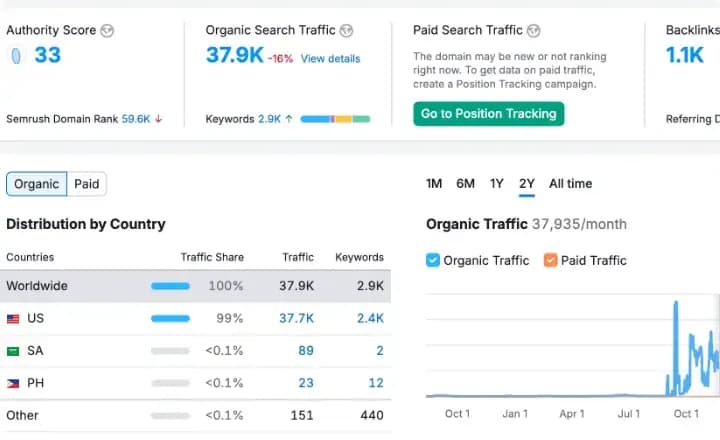
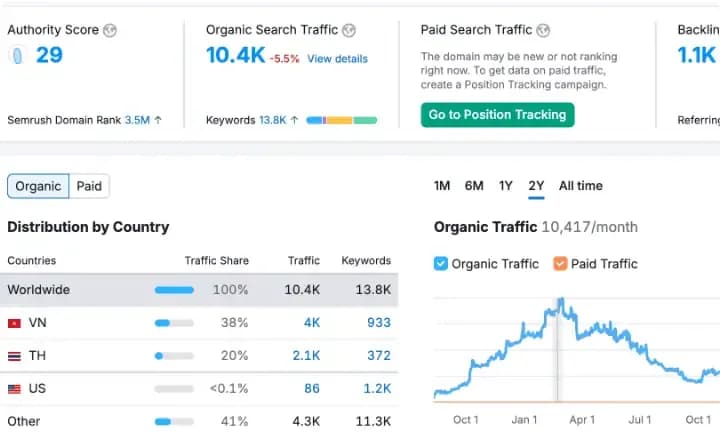
These results come from clients who invested in websites built for performance, not just appearance. The same principles we apply to law firm website design drove these outcomes.
Your next high-value client is searching right now. If they land on your competitor's site and it looks more credible than yours, you'll never even know you lost them.
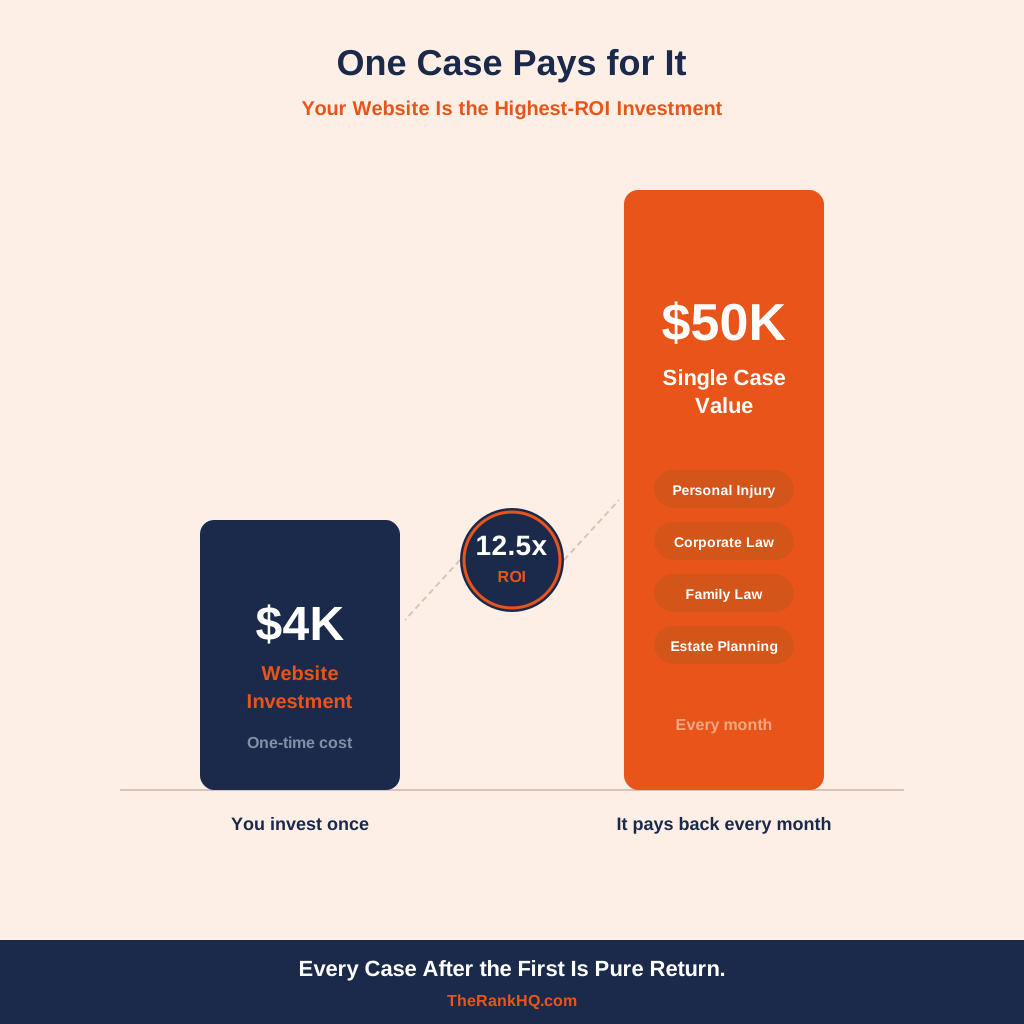
A single personal injury case can be worth $50,000 to $500,000. A family law retainer typically runs $5,000 to $15,000. An estate planning client might be worth $3,000 to $8,000. These are the numbers your website works with.
If a properly designed website generates just one additional consultation per week, and your firm converts 30% of consultations to retained clients, the math isn't complicated. A $10,000 website investment pays for itself with a single mid-value case. Every case after that is pure return.
But here's the part most law firms miss: the cost of a bad website isn't just the money you spent on it. It's every case that went to the firm whose site loaded faster, looked more credible, and had a consultation form that actually worked. You don't see those losses on a P&L statement, but they compound every month.
Most law firm websites run on WordPress, and for good reason. It gives you full ownership, complete SEO control, and a CMS your staff can manage without a developer. We build custom WordPress themes for law firms that load fast, rank well, and don't depend on heavy page builders. We also work with Webflow for firms that want a more design-forward platform, and we can redesign existing sites on Squarespace or Wix and migrate them to a platform built for growth.
 WordPress
 Shopify
 Magento
 Drupal
 Joomla
 Squarespace
 HubSpot
 JavaScript
 Python
 Java
Java HTML5
HTML5 CSS3
CSS3 React
React
 Vue.js
 Angular
 Node.js
Potential clients aren't just Googling "lawyer near me" anymore. They're asking ChatGPT, Gemini, and Perplexity for attorney recommendations. These AI platforms pull from structured website data, entity information, and authoritative content to generate their answers. If your firm's website isn't structured for AI extraction, you're invisible to a growing channel. We optimize your site for visibility across ChatGPT, Gemini, Perplexity, Claude, and Google AI Overview.






We don't just design websites. We build lead generation systems for law firms. Here's what sets us apart from generic web design agencies and legal-specific template shops.
Google holds law firm websites to higher quality standards than most industries. We build every page with E-E-A-T signals baked in: attorney credentials above the fold, case results with proper disclaimers, and schema markup that tells search engines exactly who your lawyers are.
Most attorney web designers still build for Google only. We structure your site for ChatGPT, Gemini, and Perplexity with entity-optimized bios, FAQ schema, and content architecture that gets your firm recommended in AI-generated answers.
Testimonial restrictions and disclaimer rules vary by state. We design case result sections, review displays, and practice area claims with your state's bar advertising guidelines in mind, so your site converts without compliance risk.
A law firm website that doesn't rank is an expensive brochure. Every site ships with keyword-mapped practice area pages, technical SEO configuration , internal linking, and structured data. No "hire an SEO agency later" handoff.
You own the code, design, content, and hosting account from day one. No proprietary platforms, no mandatory subscriptions, no losing your site if you cancel. If you switch agencies later, everything goes with you.
Your website is step one. We also run SEO for law firms , link building , and ongoing content strategy. One team handling design, search, and content means no coordination gaps between vendors.
Attorneys are trained to be skeptical. That's a good instinct. But some of the skepticism we hear about law firm websites is based on outdated information or bad experiences with agencies that cut corners. Here's what's actually true.
Referrals still matter. But here's what happens after a referral: the prospect Googles your name. If your website is outdated, slow, or nonexistent, they second-guess the referral. The ABA's 2023 survey found that 87% of law firms have websites because even referral-driven firms lose credibility without one. Your site doesn't replace referrals. It validates them.
cheap template can work as a placeholder, but it won't generate cases. Template sites share designs with thousands of other firms, offer minimal SEO value, and typically lack the practice area depth that Google needs to rank your pages. If your site looks like every other solo attorney's site, why would a prospect choose you?
poorly executed redesign absolutely can. But a properly planned one protects and improves your rankings. We map every existing URL, set up 301 redirects, preserve your link equity, and rebuild your technical SEO during the process. Our website redesign services are built specifically to prevent the ranking drops other agencies cause.
SEO works in every legal market. The timeline and budget vary based on competition. A family law attorney in a mid-size city will see results faster and cheaper than a personal injury firm in Los Angeles. But "SEO doesn't work" usually means "my previous agency did it badly." We structure our local SEO for law firms around practice area targeting, not generic city-wide campaigns.
Real feedback from businesses that trusted us to build their digital presence.
 Karim T★★★★★Website Design
Hello nadeem really helped us for the sites. He helped us until the last modification, he is really listening to the customers I was really happy to work with him. I will work with him again soon
TheRankHQ delivered exactly what was needed, satisfying the client's needs. The team managed the project well, they completed the task on time without any issues or mistakes. What was most impressive about TheRankHQ was their professional culture and behavior.
 Thanh Trinh★★★★★Guest Post Outreach
service quality is very good. He helped me a lot in the backlink building process.
Common questions we hear from attorneys before they invest in a new website. If yours isn't answered here, schedule a call and we'll cover it directly.
Your competitors are getting calls from clients who never even considered your firm. The difference isn't their legal skills. It's their website. We build law firm websites that rank on Google, get recommended by AI search engines, and convert visitors into signed clients.